
Pedestrian Accidents
Who Is Liable When a Car Hits a Pedestrian in California?
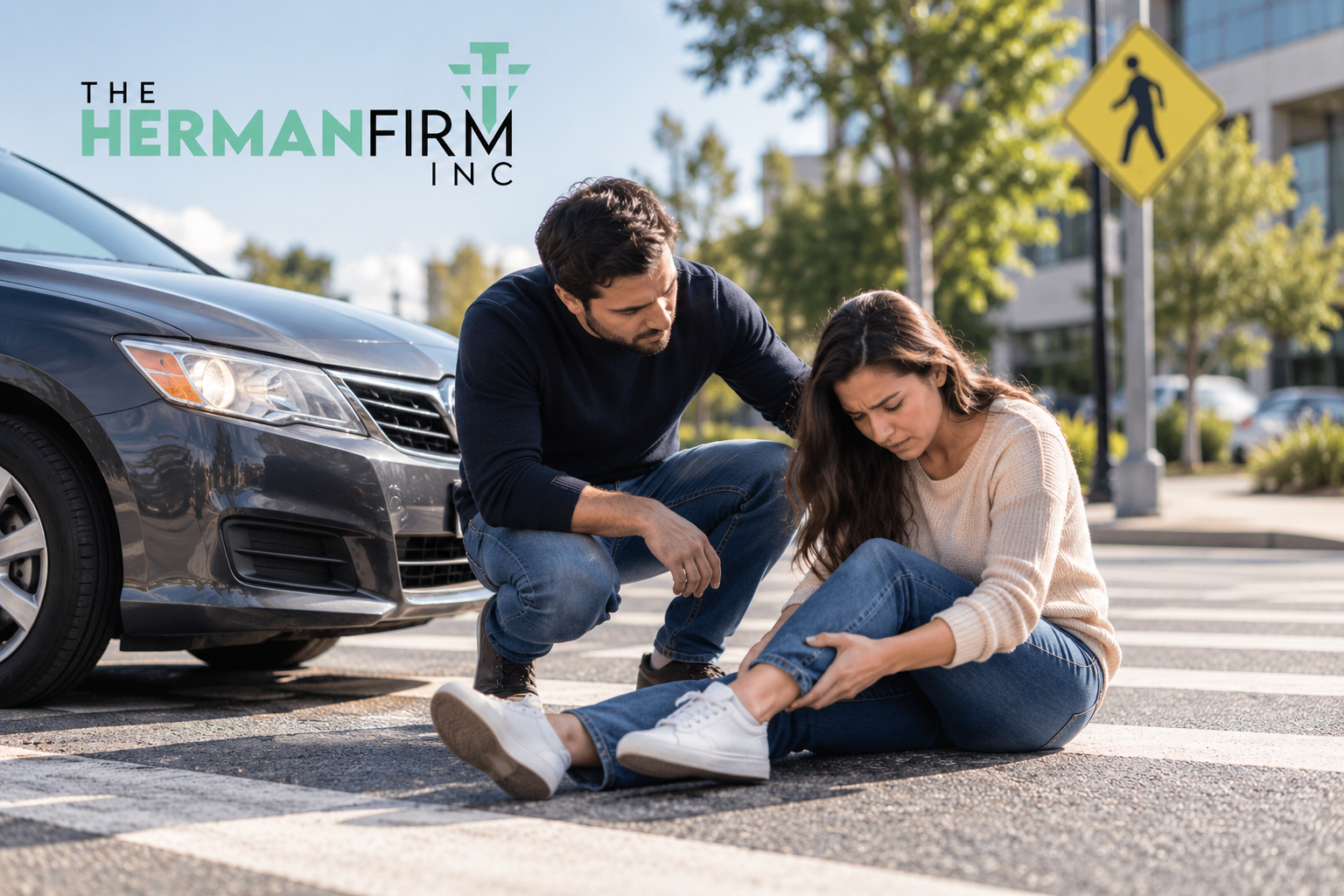
In California, the driver is usually the liable party when a car hits a pedestrian, but liability is not automatic and it does not always stop with the driver. Drivers must use reasonable care and yield to pedestrians in marked and unmarked crosswalks, and a pedestrian who was partly at fault can still recover compensation, reduced by their share of fault. Depending on the facts, the vehicle’s owner, the driver’s employer, or a government entity responsible for a dangerous roadway may also share responsibility.
Pedestrian crashes often leave the injured person with serious injuries and an insurance company already pointing at them. Knowing how fault is actually assigned can help you protect your claim from the start.
The Driver Owes a Duty of Care to Pedestrians
Every California driver has a legal duty to operate their vehicle with reasonable care, which includes watching for pedestrians, keeping a proper lookout, and driving at a speed that allows them to stop safely. When a driver fails to do so because of speeding, distraction, impairment, or ignoring a traffic signal, and a pedestrian is hurt as a result, the driver is generally responsible for the resulting damages.
Crosswalks, Marked and Unmarked
California Vehicle Code Section 21950 requires drivers to yield the right of way to pedestrians crossing in a marked or unmarked crosswalk. Many people do not realize that most intersections are treated as crosswalks under California law even when no lines are painted. A driver who fails to yield at an intersection can be at fault whether or not there was any striping on the pavement.
The same section also reminds pedestrians to use due care and not suddenly step into the path of a vehicle that cannot reasonably stop, which is why the exact timing of the crossing often becomes a point of dispute.
What If the Pedestrian Was Outside a Crosswalk?
Crossing outside a crosswalk does not automatically end your claim. Under Vehicle Code Section 21954, a pedestrian outside a crosswalk generally must yield to vehicles, but drivers still must exercise due care for the safety of pedestrians on the roadway. A driver who could have avoided the collision by paying attention may still bear significant responsibility, and any fault assigned to the pedestrian reduces the recovery rather than eliminating it.
Who Else May Be Liable?
The driver is the obvious starting point, but pedestrian cases sometimes involve additional responsible parties. Identifying all of them matters because it can affect how much insurance coverage is available.
| Potentially Liable Party | When It Can Apply |
|---|---|
| Vehicle owner | The owner lent the vehicle to the driver. California law can impose limited liability on owners who permit others to drive, though statutory caps may apply. |
| Driver’s employer | The driver was working at the time, such as a delivery driver or commercial truck driver, which can bring the employer’s insurance into play. |
| Rideshare company | The driver was logged into a rideshare app, which may trigger commercial insurance coverage depending on the trip phase. |
| Government entity | A dangerous road condition, broken signal, or poorly designed crossing contributed to the crash. Strict, short claim deadlines apply. |
| Vehicle or parts manufacturer | A defect, such as brake failure, contributed to the crash. |
Comparative Fault Still Applies
California follows a pure comparative negligence rule. If a pedestrian is found partly responsible, their compensation is reduced by their percentage of fault but not barred. For example, if a jury found you 20 percent at fault and your damages totaled $100,000, you could still recover about $80,000. Our article on how percentage of fault affects a California car accident settlement explains how this works in practice.
Insurance companies often try to shift blame onto the pedestrian. A free case review can help you understand where you stand.
Get a Free Case ReviewWhat If the Driver Fled or Has No Insurance?
If the driver left the scene or carried no insurance, you may still have options through your own uninsured motorist coverage, which can apply to pedestrians in some situations. See our guide on what an uninsured motorist claim is in California for how that coverage generally works.
Deadlines You Should Know
Most California personal injury lawsuits must be filed within two years of the injury under Code of Civil Procedure Section 335.1. If a government entity may be responsible, a formal claim generally must be presented within six months under Government Code Section 911.2. Missing either deadline can permanently limit your options.
Photos of the crosswalk, signals, and lighting, surveillance footage from nearby businesses, and witness contact information tend to disappear quickly. Gathering them early can make a real difference in proving who was at fault.
Frequently Asked Questions
Is the driver always at fault when a car hits a pedestrian?
No. Drivers are often at least partly responsible, but fault depends on the facts, including signals, visibility, speed, and what each person did. Fault can be shared.
Can I recover compensation if I was jaywalking?
Possibly. California’s comparative fault rule means that being partly at fault generally reduces your recovery rather than barring it, and drivers still owe a duty of care to pedestrians.
What damages can a pedestrian recover?
Depending on the case, damages can include medical expenses, lost income, future care costs, pain and suffering, and in fatal cases, wrongful death damages for eligible family members.
Should I talk to the driver’s insurance company?
Be careful. Adjusters may ask questions that are later used to assign you more fault. Speaking with an attorney before giving a recorded statement is generally wise.
Hit as a Pedestrian? Let’s Talk About Your Case.
Every case at The Herman Firm gets direct attorney attention from the first call. Consultations are free, and you pay nothing unless we win.
Call 925-532-1977 Request a Free Case Review