

Car Accidents
What Evidence Helps Prove a California Car Accident Claim?
The evidence that most helps prove a California car accident claim includes the police report, photos and video of the scene and vehicles, witness statements, complete medical records and bills, proof of lost income, and any electronic data from the vehicles involved. Together, these show who caused the crash, how badly you were hurt, and what the accident has cost you. The stronger and more consistent the documentation, the harder it is for an insurance company to dispute your claim.
Evidence in a car accident case has a short shelf life, so what you gather in the first days and weeks often matters more than what you assemble later.
Evidence That Shows Who Was at Fault
Fault is usually the first thing an insurer disputes. California follows pure comparative negligence, so any share of fault assigned to you reduces your recovery. Evidence of how the crash happened is what keeps that percentage low.
| Evidence | What It Helps Show |
|---|---|
| Police report | Officer observations, statements, citations, and a diagram of the scene |
| Photos and video | Vehicle positions, damage, skid marks, signals, lighting, and road conditions |
| Witness statements | Independent accounts of what happened, especially when drivers disagree |
| Dashcam and surveillance footage | The crash itself, often before it can be overwritten |
| Vehicle event data | Speed, braking, and impact data recorded by many modern cars |
| 911 recordings and traffic camera footage | Timing and the immediate aftermath |
California requires a report to the DMV (Form SR-1) within 10 days of an accident involving injury or more than $1,000 in property damage. Filing it is separate from any police report or insurance claim.
Evidence That Shows Your Injuries
Medical records connect your injuries to the crash and document their severity. Emergency room records, imaging, specialist evaluations, physical therapy notes, and prescriptions all help. Consistent treatment matters, because gaps give an insurer room to argue that you recovered or that something else caused your symptoms. For injuries that are less visible, see our article on how to prove a brain injury after a car accident.
Evidence That Shows Your Financial Losses
Medical bills, pay stubs, employer letters, tax returns, and receipts for out-of-pocket costs support the economic side of a claim. If your injury reduced your ability to work, records of your earnings before and after the crash help establish the loss. Our guide on recovering lost wages after a California car accident explains how those losses are documented.
Not sure which evidence matters most in your case? A free case review can help you prioritize.
Get a Free Case ReviewEvidence That Shows How the Accident Changed Your Life
Pain and suffering are harder to measure, which is why everyday evidence helps. A dated journal of symptoms, photos of injuries as they heal, and statements from family, friends, and coworkers can show how your injuries limited work, activities, and sleep.
What Can Weaken Your Evidence
-
Waiting to Get Treatment
Delays make it easier for an insurer to question whether the crash caused your injury.
-
Posting on Social Media
Photos or comments can be taken out of context and used to dispute your injuries.
-
Giving a Recorded Statement Too Soon
Adjusters ask questions designed to limit fault and value. Speak with an attorney first.
-
Repairing or Discarding Physical Evidence
Damaged property and vehicle data can disappear once repairs or salvage happen.
For a broader checklist, see what evidence you should keep after an injury. If your claim is already disputed, an experienced Walnut Creek car accident lawyer can help gather and preserve what is still available.
How Early You Gather Evidence Changes What You Can Prove
Surveillance footage is often overwritten within days or weeks, witnesses become harder to reach, and skid marks and debris disappear quickly. Medical evidence works the same way: records created close to the accident carry more weight than ones created months later. Even if you are not sure you will pursue a claim, preserving evidence early keeps your options open.
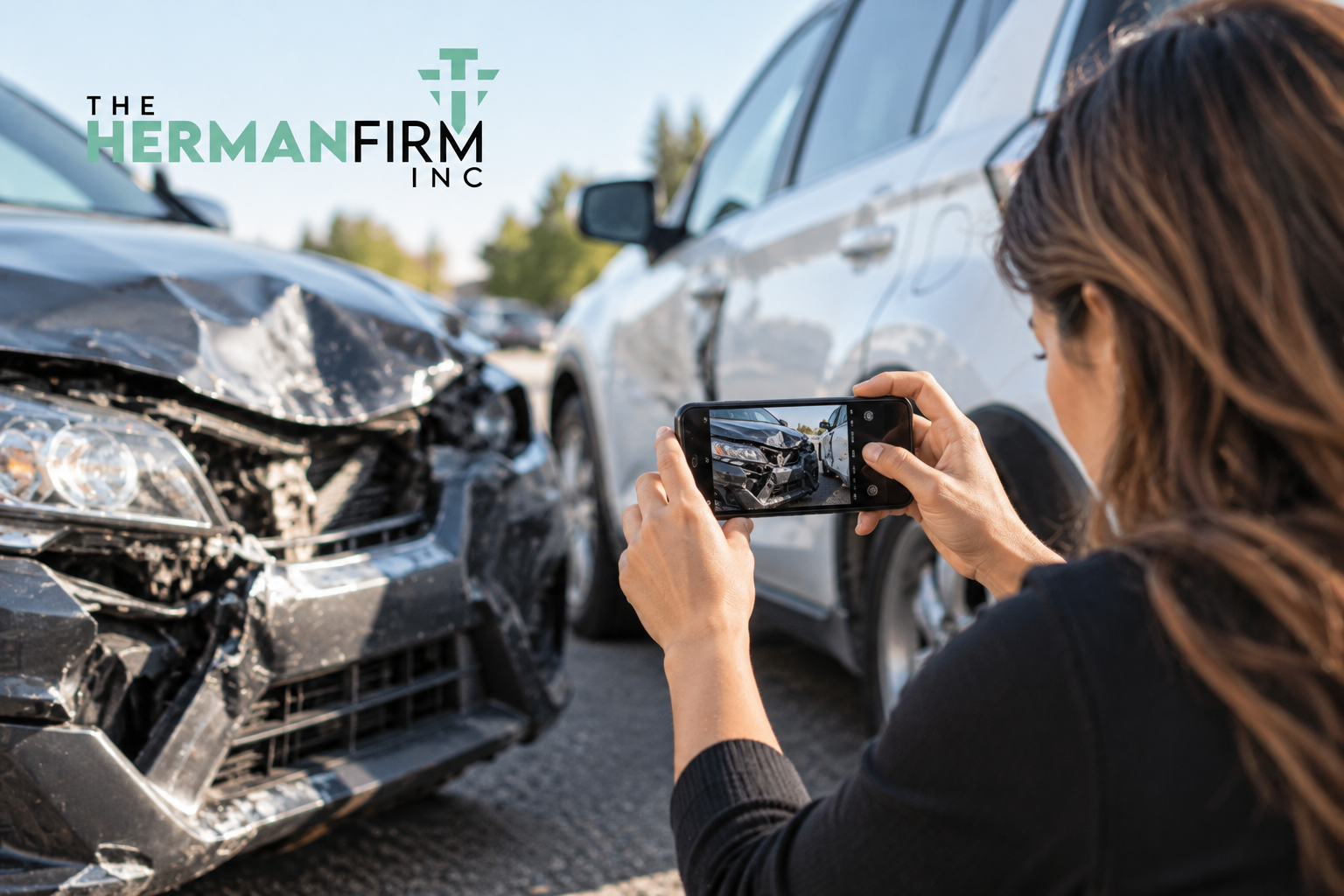
If you are physically able, take photos before vehicles are moved, exchange contact and insurance information, and note the names of anyone who saw the crash. If you are not able, ask a passenger or a friend to help, and write down what you remember as soon as you can while details are fresh.
Frequently Asked Questions
Is a police report required to file a car accident claim?
No, but it is valuable evidence. If police did not respond, photos, witness information, and your own documentation become even more important.
What if I did not take photos at the scene?
You can still build a claim with medical records, witness statements, repair estimates, and photos of the location later, though acting quickly helps.
Can the other driver’s insurance company get my medical records?
Insurers usually request them, but you should be cautious about signing broad releases. An attorney can limit requests to records relevant to the accident.
How long should I keep my evidence?
Keep everything until your claim is fully resolved, and ideally longer in case a dispute arises.
Need Help Building Your Claim?
Every case at The Herman Firm gets direct attorney attention from the first call. Consultations are free, and you pay nothing unless we win.
Call 925-532-1977 Request a Free Case Review