
Car Accidents
Is the Rear Driver Always at Fault in a Rear-End Crash?
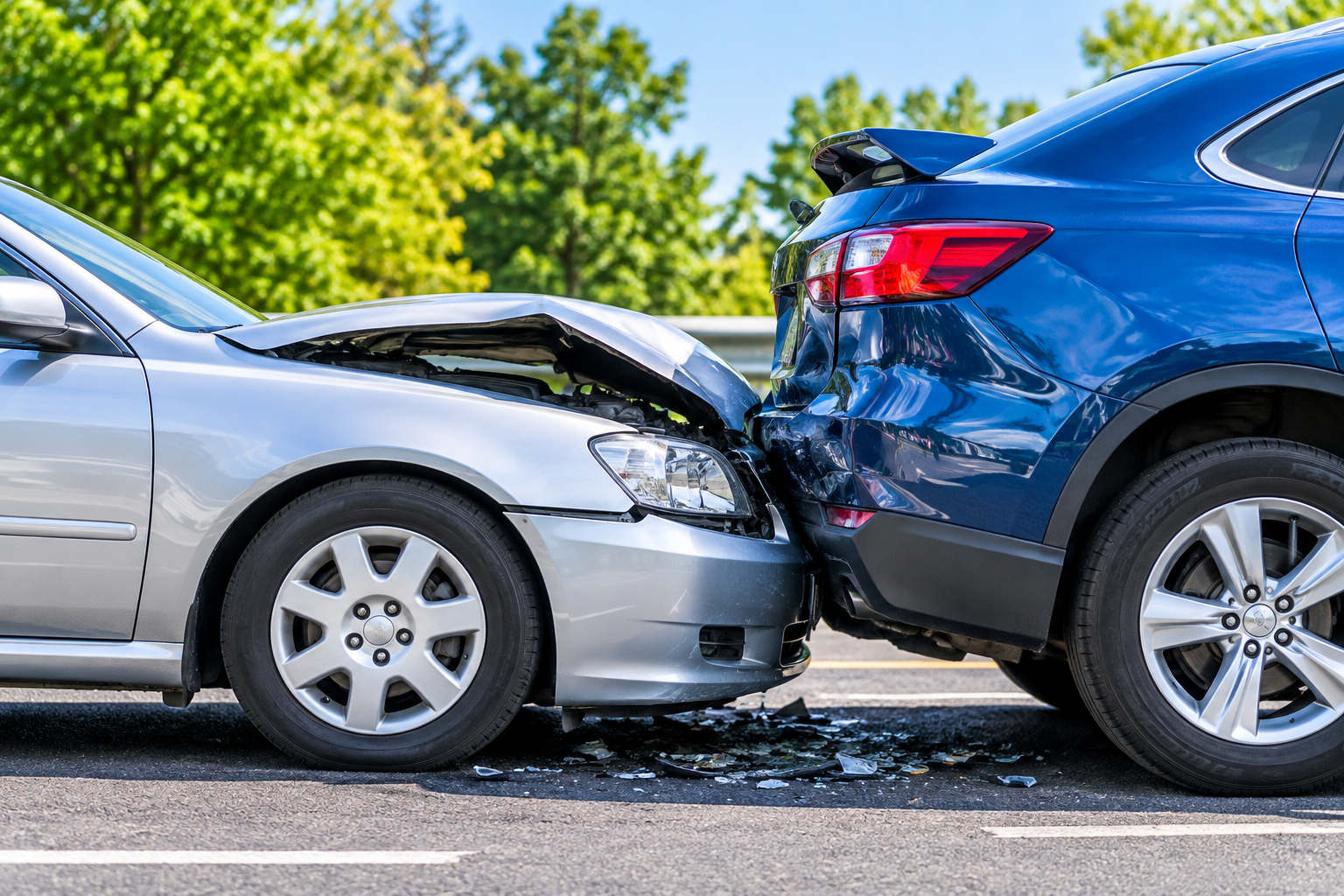
The rear driver is usually, but not always, at fault in a California rear-end crash. Drivers must keep a safe following distance, so hitting a vehicle from behind often points to following too closely, speeding, or distraction. However, the front driver may share or bear responsibility if they stopped suddenly without reason, reversed, cut in abruptly, or had broken brake lights. California’s pure comparative fault rule allows fault to be divided between drivers.
In most rear-end crashes, the rear driver is found at fault for following too closely or not paying attention. But fault is not automatic. A front driver who brakes for no reason, cuts in, reverses, or drives with broken brake lights can share the blame.
Why the Rear Driver Is Usually at Fault
Under Vehicle Code Section 21703, drivers may not follow another vehicle more closely than is reasonable and prudent, considering speed, traffic, and road conditions. California’s basic speed law also requires drivers to travel at a speed that is safe for conditions. If you are hit from behind, the other driver’s failure to leave enough space to stop is often the clearest explanation.
When the Front Driver May Share Fault
| Situation | Why It Matters |
|---|---|
| Sudden stop with no traffic reason | An unnecessary hard stop can contribute to a crash |
| Cutting in front of another vehicle | Changing lanes too close leaves the other driver no time to react |
| Reversing unexpectedly | Backing up on a road or in traffic can cause a collision |
| Broken brake lights | Drivers behind may not know the vehicle is slowing |
| Stopping on a freeway for no reason | Creates a hazard drivers do not expect |
Even in these situations, the rear driver may still share fault if they were too close or distracted. Insurers often negotiate over percentages rather than an all-or-nothing answer.
Chain-Reaction Crashes
In multi-car rear-end collisions, common on congested stretches of Interstate 680 and Highway 24, several drivers may share responsibility. A driver in the middle may have stopped safely and then been pushed forward by the car behind, or may have been following too closely as well. Vehicle damage, witness statements, and dashcam footage help sort out the sequence of impacts.
Hit from behind and dealing with an insurer? A free case review can help you understand fault and your options.
Get a Free Case ReviewEvidence That Helps Prove Fault
-
Photos of Both Vehicles
Damage patterns show where and how hard the impact occurred.
-
Dashcam or Nearby Video
Footage can show following distance, speed, and whether the front driver braked suddenly.
-
Witness Statements
Other drivers can describe what happened before the impact.
-
Police Report
Officers may note statements such as a driver admitting they looked away.
-
Vehicle Data
Some vehicles record speed and braking data in the moments before a crash.
Common Injuries in Rear-End Collisions
Rear-end crashes commonly cause whiplash and other neck and back injuries, concussions, and shoulder injuries. Symptoms can take hours or days to appear, so prompt medical care matters even after a low-speed impact. Insurers sometimes argue that minor vehicle damage means minor injuries, but injury severity does not always match property damage. If you hit your head or notice memory or concentration problems, read signs of a traumatic brain injury after a car accident.
Deadlines to Keep in Mind
Most California injury lawsuits must be filed within two years under Code of Civil Procedure Section 335.1, and claims involving government vehicles generally must be filed within six months under Government Code Section 911.2. Learn more on our Walnut Creek car accident lawyer page.
The Herman Firm is a Walnut Creek personal injury attorney led by attorney Michael D. Herman. Every case receives direct attorney attention from the first call, and you can review the types of injury cases we take on or request a free case review online.
Frequently Asked Questions
Is the rear driver always at fault in California?
No. The rear driver is usually at fault, but the front driver can share responsibility for sudden unnecessary stops, cutting in, reversing, or broken brake lights.
What if I was pushed into the car ahead?
In a chain-reaction crash, the driver who started the collision may be responsible for damage to vehicles ahead, depending on the facts.
Can I get compensation for whiplash after a rear-end crash?
Yes. Whiplash and other soft tissue injuries are compensable when supported by medical records.
Does low vehicle damage mean I was not really injured?
No. Injury severity does not always match vehicle damage, though insurers often make that argument.
Hit From Behind?
Every case at The Herman Firm gets direct attorney attention from the first call. Consultations are free, and you pay no attorney fees unless we recover compensation for you.
Call 925-532-1977 Request a Free Case ReviewAsk us during your consultation how case costs are handled.